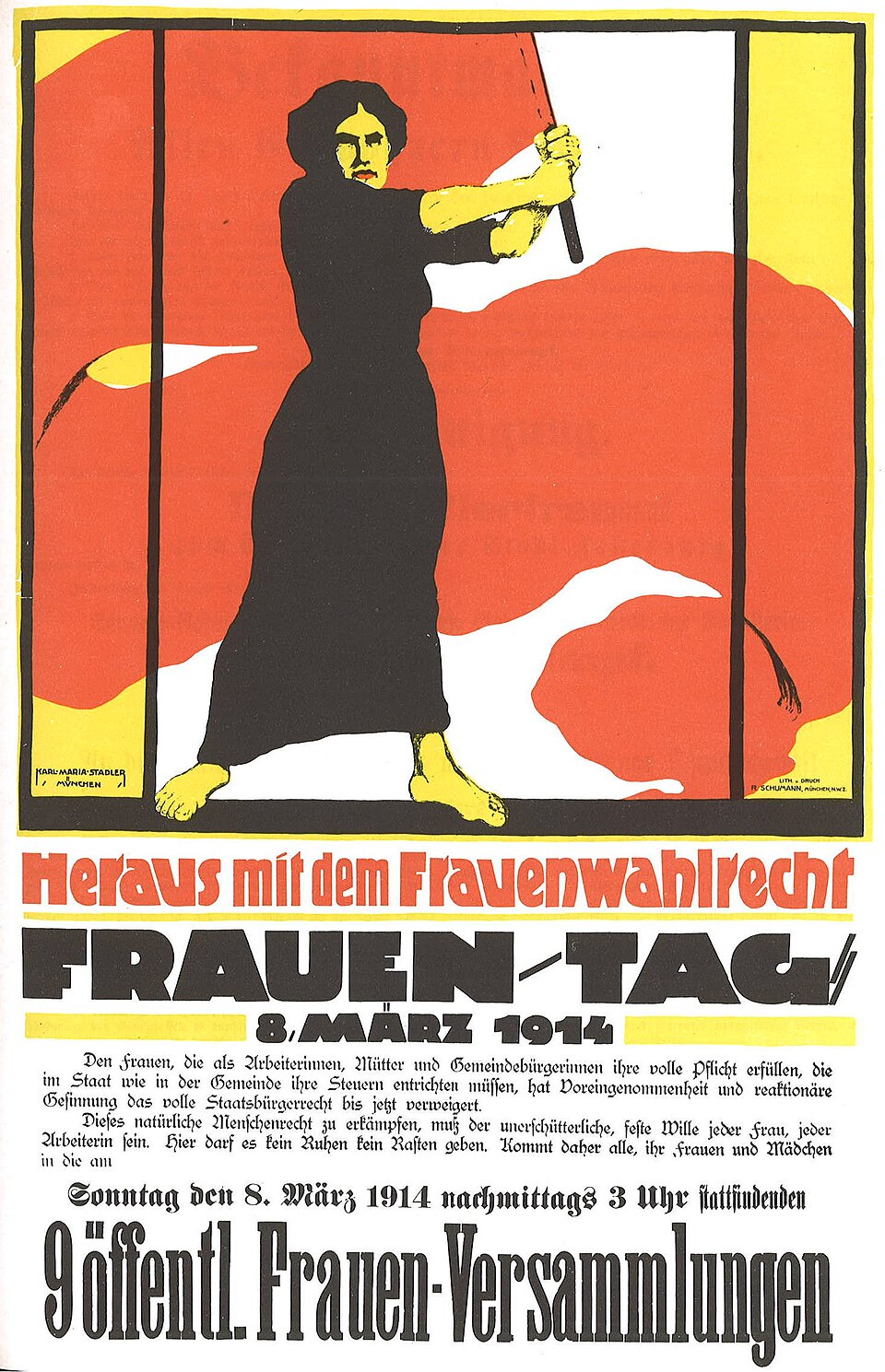
The question on many minds, particularly as we approach or navigate early March, is often, "Is Today Women's Day?" The definitive answer is simple: International Women's Day is celebrated annually on March 8. While it's not a floating holiday, its significance and celebration resonate far beyond this single date, making March itself a month of reflection, recognition, and action for women's rights and achievements globally.
International Women's Day (IWD) is much more than just a date on the calendar. It's a powerful global day celebrating the social, economic, cultural, and political achievements of women. It also serves as a critical call to action for accelerating gender equality. Whether it's March 8th or any other day of the year, understanding the roots, symbolism, and ongoing relevance of this vital observance helps us all contribute to a more equitable world.
Mark Your Calendar: The Global Date for International Women's Day
For over a century, the world has collectively turned its attention to the progress and persistent challenges faced by women on March 8. This date wasn't arbitrarily chosen; it's the culmination of decades of activism and advocacy. While various "Women's Days" were observed on different dates in the early 20th century, March 8 ultimately became the internationally recognized day after a series of pivotal events, particularly those involving Russian women campaigning for peace on the eve of World War I.
The decision to standardize the date globally solidified the movement's unity and amplified its message. In 1975, the United Nations officially recognized International Women's Day, further cementing its status as a significant international observance. Today, millions across the globe mark March 8 not only to celebrate women's achievements but also to raise awareness about ongoing inequalities and advocate for change. Many countries extend this recognition throughout the entire month, observing March as International Women's Month, highlighting the continuous nature of the struggle for gender parity.
The Enduring Legacy: A Brief History of International Women's Day
The journey to establishing International Women's Day is a rich tapestry woven with threads of struggle, resilience, and unwavering determination. Its origins lie in the early 20th century, a time when women faced widespread oppression, lacking basic rights such as the ability to vote, fair working conditions, or equal pay. These pressing inequalities sparked a wave of activism that laid the groundwork for the global movement we recognize today.
- Early Seeds of Protest (1907-1909): The burgeoning women's rights movement saw significant action in the United States. In 1907, approximately 15,000 women marched through New York City, demanding shorter working hours, better wages, and essential voting rights. This activism led to the Socialist Party of America declaring the first National Woman's Day on February 28, 1909, observed across the U.S.
- A Call for International Unity (1910): The idea of an International Women's Day emerged from the second International Conference of Working Women held in Copenhagen, Denmark. Here, a German socialist named Clara Zetkin proposed that every year, in every country, there should be a dedicated "Women's Day" to press for their demands. Her revolutionary idea garnered unanimous approval from over 100 women representatives from 17 different nations.
- First International Celebrations (1911): Following Zetkin's proposal, International Women's Day was first celebrated in Austria, Denmark, Germany, and Switzerland on March 19, 1911. These inaugural rallies saw more than a million women and men participate, campaigning vigorously for women's rights to work, vote, receive training, hold public office, and an end to discrimination in all its forms.
- The Shift to March 8 (1913-1917): The specific date of March 8 gained prominence due to events in Russia. Russian women campaigning for peace observed International Women's Day on February 23, 1913 (which translated to March 8 in the Gregorian calendar, widely adopted globally). Further strikes and protests by Russian women on February 23, 1917, demanding "Bread and Peace," ultimately helped trigger the February Revolution. After these events, March 8 was agreed upon as the annual global date for International Women's Day, a date that has remained ever since, commemorating the resilience and power of women's collective action.
- Modern Resurgence (2000s onwards): While momentum for IWD slowed in the latter half of the 20th century, it experienced a significant resurgence in the new millennium. The 100th anniversary in 2011 saw renewed global attention, with President Barack Obama proclaiming March 2011 as 'Women's History Month' in the U.S. and celebrity activists like Annie Lennox leading awareness marches in the UK. This revitalized interest underscores the continuing relevance of the day.
Symbolism and Significance: Colors, Flowers, and Global Unity
Beyond its historical roots, International Women's Day is rich with symbolism that unifies celebrations and protests around the world:
- The Colors of IWD: Purple, Green, and White
These three colors are internationally recognized symbols of International Women's Day. They originated from the Women's Social and Political Union (WSPU) in the UK in 1908. Each color carries a distinct meaning:- Purple: Represents justice and dignity.
- Green: Symbolizes hope.
- White: Stands for purity (though this specific meaning has sometimes been debated and reinterpreted over time).
- The Mimosa Blossom in Italy: In Italy, International Women's Day, known as la Festa della Donna, is uniquely celebrated with the giving of mimosa blossoms. This tradition is believed to have started in Rome after World War Two, symbolizing strength, sensitivity, and joy. It's a beautiful example of how cultural traditions can add unique layers to a global observance, offering a specific gesture of appreciation and respect for women.
These symbols help to create a collective identity and a shared understanding of what the day represents. They connect people across different cultures and languages, fostering a sense of unity in the pursuit of gender equality. For more on how the day impacts various regions, you might be interested in March 8: Why We Celebrate International Women's Day and Its Global Impact.
Beyond the Day: How to Celebrate and Support Women's Empowerment
While March 8 is a dedicated day for celebration and advocacy, the spirit of International Women's Day should inspire action throughout the year. Here's how you can actively participate and support women's empowerment, whether it's March 8 or any other day:
- Educate Yourself and Others: Take time to learn about the history of women's rights, current gender inequalities, and the challenges women face globally. Share this knowledge with your friends, family, and community to foster greater awareness.
- Celebrate Women's Achievements: Recognize and amplify the accomplishments of women in your life, your community, and historical figures. Share their stories, acknowledge their contributions, and ensure their voices are heard.
- Support Women-Owned Businesses: Actively seek out and support businesses led by women. Your purchasing power can directly contribute to their economic empowerment and independence.
- Advocate for Gender Equality: Speak up against sexism, discrimination, and inequality wherever you encounter it. Support policies that promote equal pay, equal opportunities, and women's representation in leadership roles.
- Mentor and Inspire: If you're in a position to do so, mentor young women and girls. Share your experiences, offer guidance, and help them navigate their paths, encouraging them to pursue their ambitions without limits.
- Donate to Women's Causes: Consider contributing to charities and organizations that work tirelessly to advance women's rights, provide education, healthcare, and support for women experiencing violence or hardship.
- Challenge Stereotypes: Be mindful of gender stereotypes in media, advertising, and daily conversations. Actively challenge them and promote a more inclusive and diverse understanding of gender roles.
Remember, International Women's Day is not just about women; it's about creating a more balanced and equitable world for everyone. It calls on us all to reflect on how far we've come and how much further we still need to go.
Looking Forward: The Continuing Importance of IWD
Even in the new millennium, with significant progress made in many parts of the world, the need for International Women's Day remains critically important. The global gender gap persists in areas like economic participation, political empowerment, education, and health. Women continue to face systemic discrimination, gender-based violence, and underrepresentation in decision-making roles.
International Women's Day serves as a vital reminder that the fight for gender equality is ongoing. It's a day to celebrate the victories, acknowledge the struggles, and unite in collective action for a future where all women and girls can live free from discrimination and reach their full potential. It encourages individuals, communities, and governments to commit to meaningful change, not just on March 8, but every day of the year. By understanding its history and embracing its spirit, we can all contribute to building a world where equity is not just an aspiration, but a lived reality.