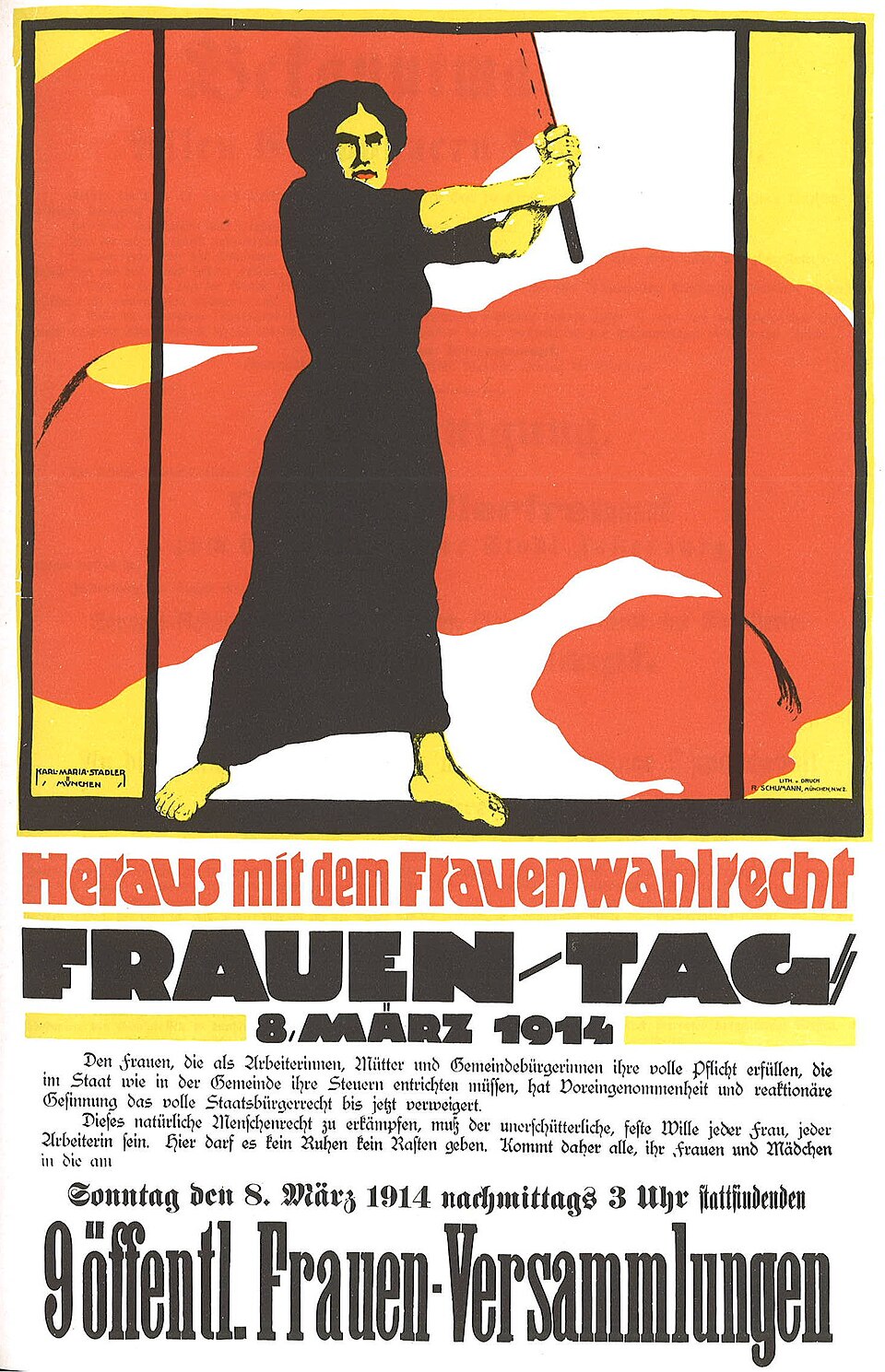
The Enduring Legacy: Why We Celebrate International Women's Day on March 8
As the calendar turns to March, a significant date often prompts a common question: Is Today Women's Day? The answer is a resounding yes if it's March 8th! International Women's Day (IWD), celebrated annually on March 8th, stands as a global testament to the extraordinary journey of women across the globe. For over a century, this day has been a beacon, illuminating the social, economic, cultural, and political achievements of women, while simultaneously serving as a powerful call to action for accelerating gender equality.
More than just a date on the calendar, March 8th encapsulates a rich history of advocacy, protest, and unwavering determination. It's a day to acknowledge the pioneers who fought for fundamental rights, the leaders who broke barriers, and the everyday women who continue to shape our world in countless ways. From boardrooms to battlefields, laboratories to legislative chambers, women's contributions have profoundly impacted every facet of human endeavor. This day isn't just about looking back at past victories; it's about recognizing the present struggles and forging a path towards a more equitable future. For a deeper dive into understanding this pivotal day, explore Is Today International Women's Day? Mark Your Calendar for March 8.
A Century of Struggle and Triumph: Tracing the History of International Women's Day
The origins of International Women's Day are rooted in the early 20th century, a tumultuous period when industrialization, population growth, and burgeoning radical ideologies fueled widespread discontent. Women, often at the forefront of these shifts, began to vocally demand better conditions and fundamental rights, challenging deeply entrenched societal norms of oppression and inequality.
The spark that ignited the movement can be traced back to 1908 when approximately 15,000 women marched through the streets of New York City, demanding crucial changes: shorter working hours, fairer wages, and the revolutionary right to vote. This powerful demonstration laid the groundwork for formal recognition. In 1909, the Socialist Party of America declared the first National Women's Day, observed on February 28th in the United States.
The concept soon gained international traction. In 1910, during the second International Conference of Working Women held in Copenhagen, Denmark, a formidable figure named Clara Zetkin, a leader of the 'Women's Office' for the Social Democratic Party in Germany, proposed the idea of an International Women's Day. Her vision was simple yet profound: a unified day each year, celebrated globally, to press for women's demands. Zetkin's proposal garnered unanimous approval from over 100 women representing 17 different countries, signifying a powerful cross-border solidarity.
The inaugural International Women's Day was subsequently celebrated on March 19, 1911, in Austria, Denmark, Germany, and Switzerland. The response was overwhelming, with over one million women and men participating in rallies. Their collective voice advocated for fundamental rights: the right to work, to vote, to receive vocational training, to hold public office, and to end all forms of discrimination.
The date's evolution to March 8th is also steeped in history. Russian women, driven by a desire for peace on the eve of World War I, observed their first International Women's Day on February 23, 1913, using the Julian calendar then in use in Russia. After much deliberation and historical alignment, it was eventually agreed that International Women's Day would be marked annually on March 8th globally, which corresponds to the Gregorian calendar date of February 23rd in the Julian calendar. This date has remained the consistent global observance ever since. The United Nations officially recognized International Women’s Day for the first time in 1975, cementing its status as a critical international observance. To learn more about this incredible journey, delve into Tracing International Women's Day: A Century of Milestones and Movements.
While momentum for IWD appeared to wane in the early new millennium, with feminism sometimes seen as a niche topic, its significance roared back to life. In 2011, commemorating the day's 100th anniversary, President Barack Obama proclaimed March 2011 as 'Women's History Month,' urging Americans to reflect on women's extraordinary accomplishments. Similarly, in the United Kingdom, celebrity activist Annie Lennox led a powerful march across London's iconic bridges, raising awareness and support for global charities like Women for Women International. These moments underscore the day's enduring power to galvanize and inspire.
Global Reverence and Unique Traditions
International Women's Day is celebrated with unique fervor and traditions across the globe, reflecting diverse cultural expressions of respect and solidarity. In Italy, for example, the day, known as la Festa della Donna, is characterized by the giving of mimosa blossoms. This tradition, believed to have originated in Rome after World War Two, symbolizes strength, sensitivity, and joy, making March 8th a visually vibrant occasion.
The symbolism extends to colors officially associated with IWD: purple, green, and white. These colors were adopted from the Women's Social and Political Union (WSPU) in the UK in 1908. Purple signifies justice and dignity, green represents hope, and white (though often debated due to its historical connotation of purity which some find problematic) originally stood for purity, symbolizing the push for women's suffrage. Together, these colors powerfully encapsulate the aspirations of the movement.
Beyond these specific traditions, IWD is marked by a spectrum of activities globally. In many countries, it's a day for educational events, seminars, and workshops aimed at raising awareness about gender equality issues. Marches and rallies continue to be a staple, serving as platforms for advocating for women's rights in areas like equal pay, reproductive rights, and an end to gender-based violence. Many businesses and organizations also use the day to highlight the achievements of women within their ranks and to promote inclusive policies. It's a truly global phenomenon, demonstrating that the fight for equality transcends borders and cultures.
Beyond the Celebration: The Ongoing Call for Gender Equality
While International Women's Day is undeniably a celebration of progress and achievement, it is equally, if not more importantly, a critical day for introspection and renewed commitment. It serves as a stark reminder that despite significant strides, true gender equality remains an unfulfilled promise in many parts of the world, and even in developed nations, subtle and overt biases persist.
Women globally continue to face formidable challenges, including gender pay gaps, underrepresentation in leadership positions, limited access to education and healthcare, and the pervasive threat of violence and discrimination. The COVID-19 pandemic, for instance, disproportionately affected women, setting back years of progress in some areas by intensifying unpaid care work, increasing job losses in female-dominated sectors, and exacerbating domestic violence.
Practical Ways to Participate and Make an Impact:
- Educate Yourself and Others: Learn about the history of women's rights and current issues. Share this knowledge to foster greater understanding.
- Support Women-Owned Businesses: Actively seek out and support enterprises run by women, contributing directly to their economic empowerment.
- Advocate for Policy Change: Support organizations and movements working towards legislative reforms that promote gender equality, equal pay, and protective measures against violence.
- Mentor and Empower: If you're in a position to do so, mentor young women and girls, helping them navigate challenges and achieve their potential.
- Challenge Bias: Actively call out sexist remarks, gender stereotypes, and discriminatory practices in your daily life, whether at home, work, or in social settings.
- Amplify Women's Voices: Share and celebrate the achievements, stories, and perspectives of women from diverse backgrounds.
- Donate to Women's Causes: Financial contributions to charities dedicated to women's rights, health, and education can have a profound impact.
International Women's Day compels us to move beyond superficial gestures and engage in meaningful action. It’s a day to recognize that the fight for equality is a collective responsibility, requiring sustained effort from individuals, communities, governments, and corporations alike. By acknowledging both the triumphs and the ongoing struggles, we can harness the spirit of IWD to build a world where every woman and girl has the opportunity to thrive.
Conclusion
So, when someone asks, "Is Today Women's Day?" on March 8th, remember it's far more than just a celebratory date. It's a dynamic observance that honours the past, celebrates the present, and critically, champions the future. From the streets of New York to the halls of the United Nations, and through unique traditions like Italy's mimosa blossoms, International Women's Day stands as a powerful testament to the progress achieved and a persistent reminder of the work that remains. It's a day for everyone—women and men—to commit to challenging biases, advocating for equality, and ensuring that the pursuit of a gender-equal world continues with unwavering determination, not just on March 8th, but every day of the year.