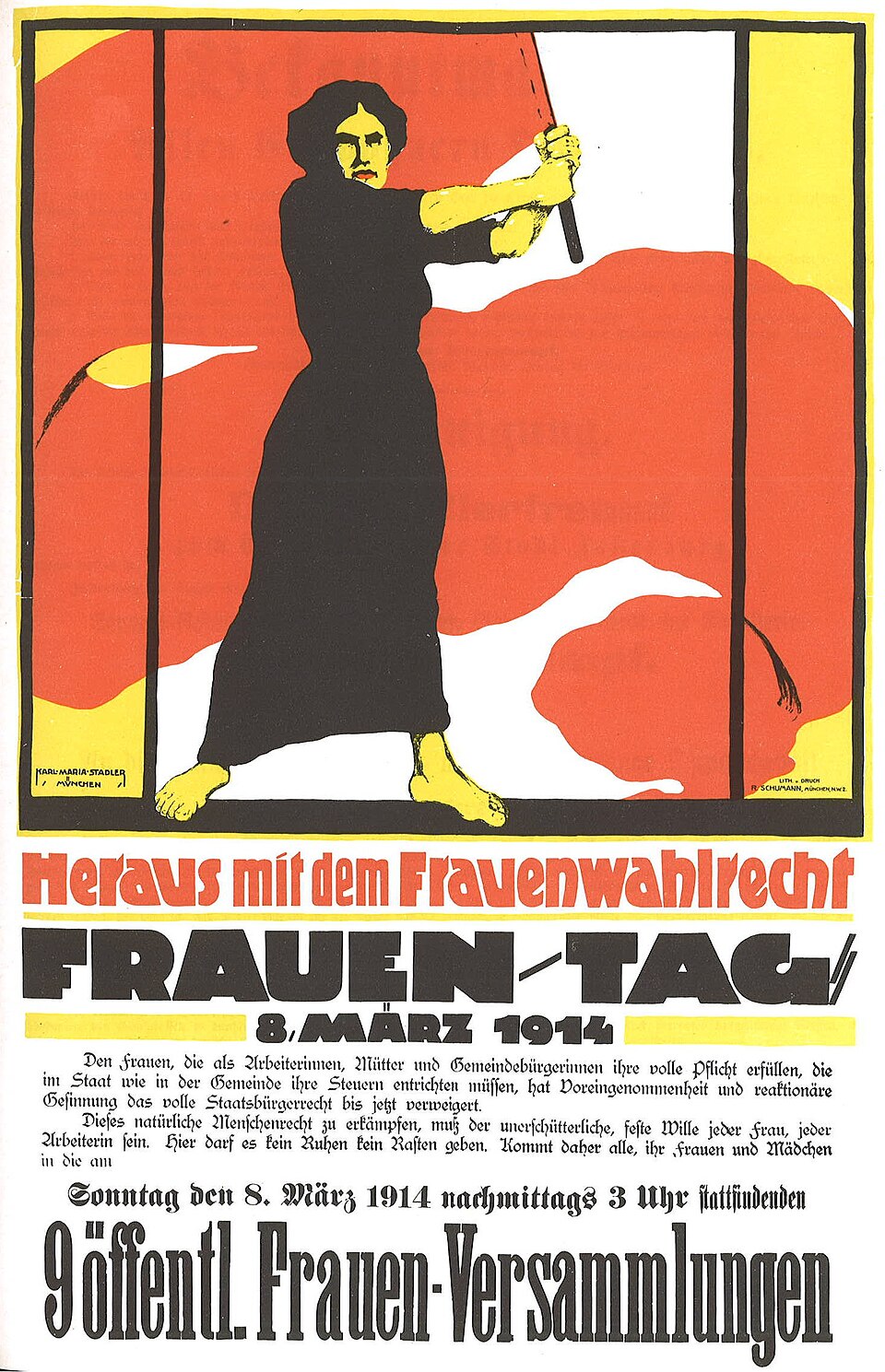
Tracing International Women's Day: A Century of Milestones and Movements
If you're wondering,
Is Today Women's Day? The answer, year after year, falls on March 8th. More than just a date on the calendar, International Women's Day (IWD) represents over a century of tireless struggle, remarkable achievements, and an ongoing global push for gender equality. It's a day to collectively celebrate the profound social, economic, cultural, and political contributions of women across the globe, while also serving as a stark reminder of the work that still lies ahead. Join us as we journey through the fascinating history of this pivotal day, from its radical origins to its modern-day significance.
The Genesis of a Global Movement: Early Demands and Declarations
The roots of International Women's Day are firmly planted in an era defined by widespread oppression and glaring inequalities. In the early 20th century, a world grappling with profound social inequities saw women largely marginalized, denied fundamental rights, and subjected to deplorable working conditions. It was against this backdrop of injustice that women began to find their collective voice, demanding change with an urgency that could no longer be ignored.
A pivotal moment arrived in 1907 when approximately 15,000 determined women took to the streets of New York City. Their powerful march wasn't just a demonstration; it was a clear articulation of their demands for shorter working hours, better pay, and, crucially, the right to vote. This fervor culminated in the observance of the first National Women's Day in the United States on February 28, 1909, declared by the Socialist Party of America.
The vision for a truly *international* observance blossomed two years later. In 1910, during the second International Conference of Working Women held in Copenhagen, Denmark, a remarkable woman named Clara Zetkin presented a groundbreaking idea. She proposed the establishment of an International Women's Day – a unified global platform where women in every country could celebrate on the same day, pressing for their collective demands. Zetkin's revolutionary concept received unanimous approval from over 100 women representing 17 different countries, demonstrating the universal hunger for change.
Following this pivotal conference, International Women's Day was celebrated for the first time in Austria, Denmark, Germany, and Switzerland on March 19, 1911. These inaugural rallies were immense, drawing over one million women and men who campaigned passionately for fundamental women's rights, including the right to work without discrimination, to vote, to receive vocational training, and to hold public office.
From Revolutionary Russia to Global Recognition: Solidifying March 8th
The journey to standardize the date for International Women's Day took another significant turn on the eve of World War I. Russian women, driven by a powerful yearning for peace, first observed International Women's Day on February 23, 1913. This date, while seemingly different from today's celebration, holds the key to IWD's ultimate global establishment.
It was through subsequent international discussions and agreements that a consensus was reached to standardize the date. The Russian observance of February 23rd in the Julian calendar was officially recognized as
March 8th in the widely adopted Gregorian calendar. This harmonization solidified March 8th as the annual global date for International Women's Day, a tradition that has remained unbroken ever since. This unification was a powerful symbol of international solidarity, ensuring that women's voices around the world would rise in unison on a single, powerful day.
Further cementing its global standing, the United Nations officially recognized International Women's Day for the first time in 1975. This endorsement elevated IWD to an even more prominent international platform, giving it the institutional backing needed to amplify its message to every corner of the world. The UN's recognition underscored the day's importance not just for women's movements, but for global human rights and development.
Enduring Symbols, Evolving Traditions, and Modern Momentum
Beyond its historical milestones, International Women's Day is rich with symbolism and evolving traditions that reflect its diverse global impact. The colors associated with IWD—
purple,
green, and
white—are not mere aesthetic choices but carry profound symbolic weight. Derived from the Women's Social and Political Union (WSPU) in the UK in 1908, purple signifies justice and dignity, green represents hope and new beginnings, and white traditionally stood for purity (though this interpretation is sometimes debated today, focusing instead on broader themes of peace or clarity). Together, these colors powerfully embody the spirit and objectives of the movement.
In Italy, the celebration takes on a particularly beautiful form known as "la Festa della Donna," where women are traditionally gifted mimosa blossoms. The origin of this charming custom is believed to trace back to Rome after World War II, with the bright, resilient mimosa serving as a delicate yet strong symbol of femininity, respect, and enduring spirit.
By the dawn of the new millennium, some observed a waning of IWD's public profile, with the world having "moved on" in certain spheres, and feminism sometimes perceived as a less popular topic. However, this perceived lull was short-lived. The 100th anniversary in 2011 saw a powerful revitalization, demonstrating the day's enduring relevance. In the United States, President Barack Obama proclaimed March 2011 to be "Women's History Month," urging Americans to reflect on "the extraordinary accomplishments of women" in shaping the country's history. Across the Atlantic, celebrity activist Annie Lennox led a significant march across one of London's iconic bridges, raising vital awareness and support for global charities like Women for Women International. Today, International Women's Day serves as both a reflection of past struggles and a vibrant catalyst for future progress, inspiring countless initiatives worldwide. To delve deeper into its modern significance, read more about
March 8: Why We Celebrate International Women's Day and Its Global Impact.
Beyond the Calendar: Actionable Steps for Everyday Advocacy
International Women's Day is far more than a ceremonial observance; it's a powerful call to action, reminding us that the fight for true gender equality is an ongoing, collective endeavor. The spirit of IWD extends beyond March 8th, permeating throughout March, which is often recognized as International Women's Month.
So, whether you're asking, "
Is Today Women's Day?" or simply seeking to contribute to a more equitable world, here are practical, actionable ways you can participate and make a tangible impact:
*
Educate and Empower: Take the time to learn about current global and local women's issues. Share your knowledge with others to foster greater understanding and empathy. Support educational initiatives that empower women and girls.
*
Support Women-Led Initiatives: Consciously choose to support businesses, artists, innovators, and organizations led by women. Your economic choices can have a direct impact on their success and visibility.
*
Advocate for Policy Change: Speak up for policies that promote gender equality in your workplace, community, and government. This could involve contacting elected officials, signing petitions, or joining advocacy groups.
*
Challenge Bias and Stereotypes: Be vigilant in identifying and challenging unconscious biases and gender stereotypes in your daily interactions, media consumption, and personal conversations. Your voice can help shift perspectives.
*
Celebrate the Women in Your Life: Take a moment to acknowledge and appreciate the women who have positively impacted your life. Whether it's a colleague, friend, mentor, or family member, their contributions deserve recognition.
*
Donate to Relevant Charities: Consider supporting non-profit organizations dedicated to advancing women's rights, health, education, and safety around the world.
By embracing these actions, we move beyond mere recognition to active participation in shaping a more balanced and equitable future for all. And for clarity on when to mark your calendar, remember
Is Today International Women's Day? Mark Your Calendar for March 8.
Conclusion
The journey of International Women's Day, from the fervent protests of the early 20th century to its official recognition by the United Nations and its modern-day revitalization, is a testament to the unwavering determination of women and allies worldwide. It stands as a powerful symbol of progress, a historical anchor for achievements, and a dynamic catalyst for change. As we reflect on over a century of milestones and movements, IWD reminds us that while much has been achieved, the vision of a truly equal world where every woman and girl can thrive remains an ongoing pursuit. It calls on each of us, every year on March 8th and beyond, to celebrate, advocate, and contribute to building a future where justice and equality are not just aspirations, but realities for all.